





Everything you need to know:
Introducing the Conch Piercing
Back to articles
Read time: 2 minutes
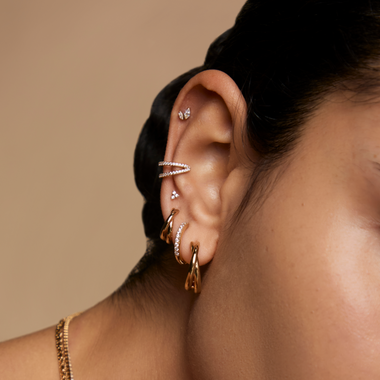
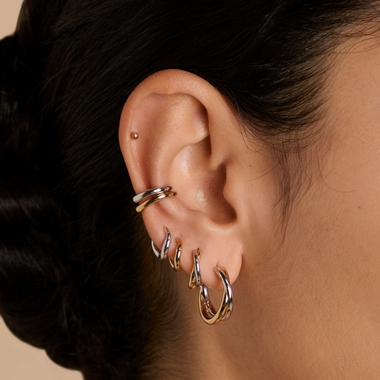
Placed right at the centre of your ear stack, a conch piercing is the secret to bringing your whole look together. Whether you opt for an inner conch or outer conch - we’ll explain the difference later - a hoop or dainty stud, this piercing is our piercers’ favourite for a reason. Keep reading to learn how to style, heal, and even fake a conch piercing.
What is a conch piercing?
A conch piercing sits right in the central dish of your ear cartilage, and because of its placement, it can totally elevate your whole ear curation. It’s called a conch piercing because of the resemblance of that part of your ear cartilage to a conch shell. Kind of crazy, we know.

“My favourite placement to pierce is definitely the Conch. It really makes someone's stack.” Ara - Piercing Lead
What’s the difference between an inner and outer conch piercing?
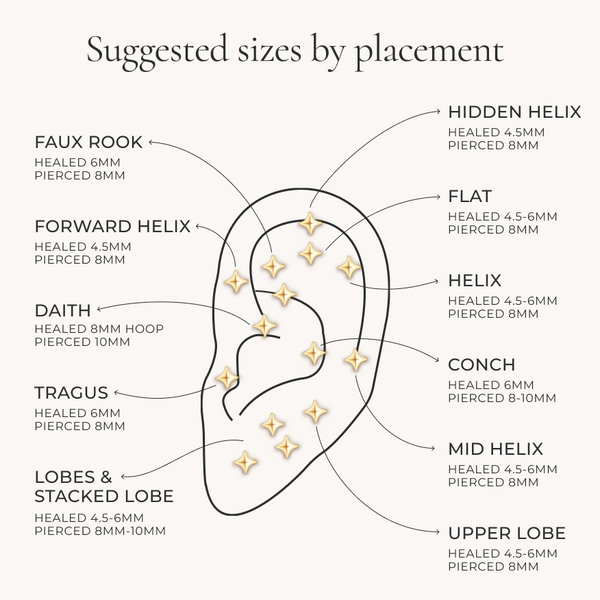
So for those who don't know, conch piercings are divided up into inner and outer conch piercings. With ‘inner’ meaning it’s pierced slightly higher in your ear cup and mostly styled with a dainty stud, and ‘outer’ meaning it’s pierced slightly lower and closer to your outer ear, perfect for styling with a hoop.
You’ll want to think about which type of conch piercing you’re after before you get pierced, but if you’re torn between both, just let your piercer know so they can map out the placement with enough room for a second conch piercing down the line. We recently heard that the gorgeous Florence Pugh has a double conch piercing, so you’d be in great company!

What jewellery is compatible with a conch piercing?
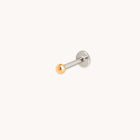
At A&M, we have plenty of conch piercing jewellery options to choose from, in a range of shining 14k solid gold and implant-grade titanium.
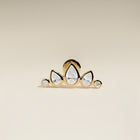
Because the conch is typically a statement piercing, we love adding a touch of drama with a large crystal or gemstone style that really catches the light. But if you prefer something daintier, a plain metal motif or curved piercing stud could be your perfect match. Top tip: curved designs sit particularly well in a conch piercing because they follow the natural curve of your ear anatomy.

Can I wear a hoop in my conch?
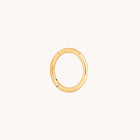
Whilst we don’t pierce with a hoop in our studios, once your conch piercing is fully healed you’re more than welcome to swap out your flat-back for a seamless or sparkling hoop. Just make sure the diameter is sized correctly, so your piercing still has room to breathe. We’d recommend 10mm+.
What other piercings go well with a conch piercing?
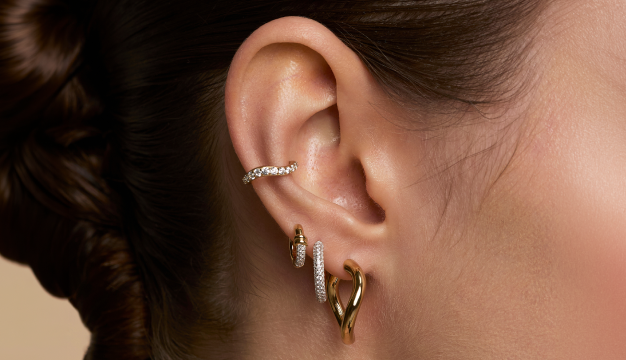
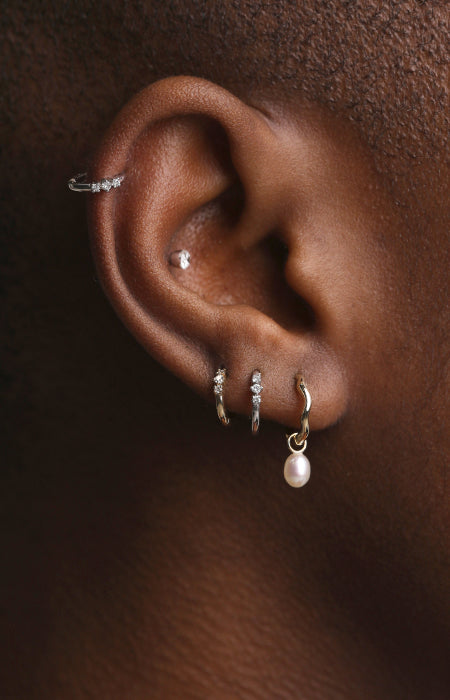
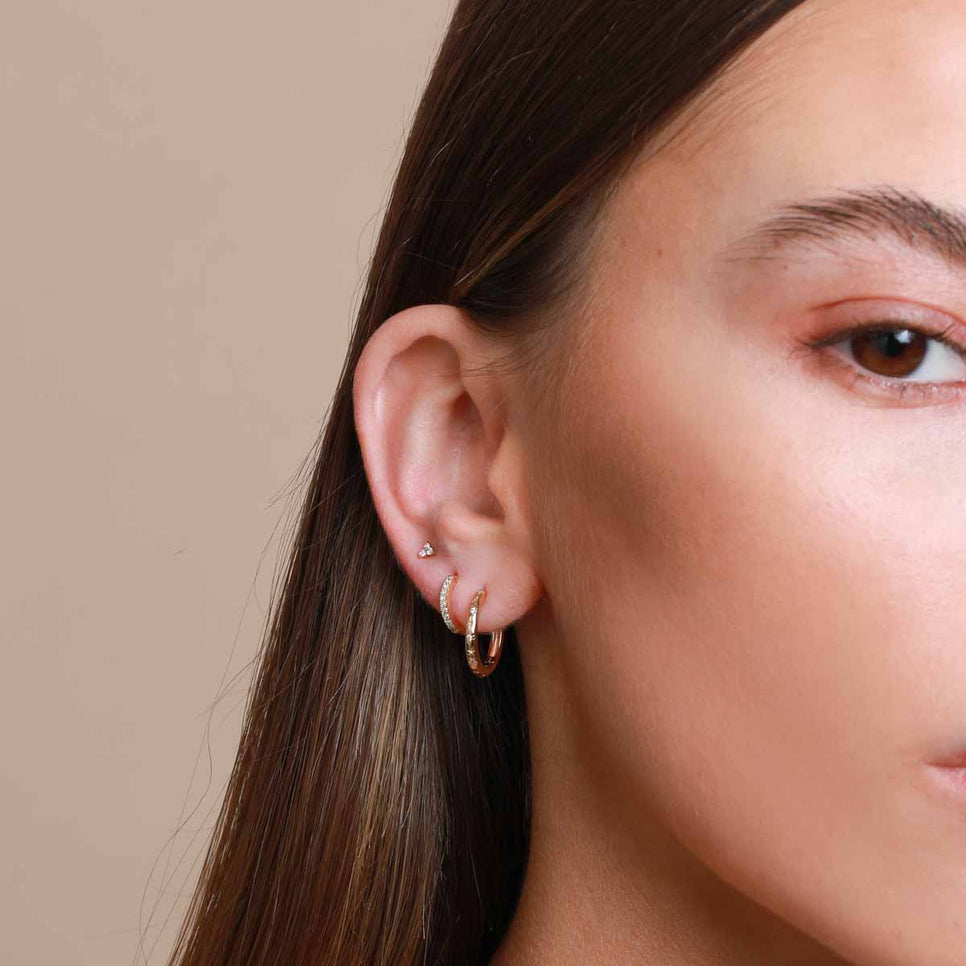
Whether you’re planning to get multiple piercings in one appointment or already thinking about what’s next for your ear stack, the conch is the ultimate anchor piece. Sitting right in the centre of your ear stack, it leaves plenty of room to play with surrounding placements. Here are a few of our favourite pairings:
For balance: The Tragus or Forward helix
Sitting directly across from your conch, a dainty tragus or forward helix stud creates a clean, symmetrical look.
For drama: The Outer Helix
Continue drawing the eye up your ear by pairing a statement conch gemstone with a bold upper helix piercing. Mixing different heights and textures makes the entire ear feel deliberately curated.

Will a conch piercing get in the way of my earphones?
For those of us who can’t imagine a daily walk without our favourite podcast, the thought of a new piercing interfering with our listening habits can feel like a dealbreaker. We’re here to reassure you that a conch piercing won't to stop you from wearing earphones long-term - you might just want to take a few days off or swap to an over-ear style while the initial tenderness of your new piercing wears off.
To be extra safe, feel free to bring your go-to earphones into your piercing appointment so your piercer can mark up your new piercing around them. With any new piercing, it’s important to make sure your earphones or headphones are clean before each use.
How to fake a conch piercing
Not ready to commit? Get the look of a conch piercing without needing to get pierced with Ears Cuffs. Versatile and pain-free, Ear Cuffs offer all the benefits of a fully curated stack, with zero healing time. Simply slip on, style with your favourite hoops or huggies, and slip off at the end of the day.

How painful is a conch piercing?
Cartilage piercings are generally considered to be more painful than lobe piercings because they push through skin that’s not as fleshy. That being said, everyone’s pain tolerance is different, so experiences can vary. Just remember, you’re in the best hands with our expert piercers, who are trained to guide you through every breath.
“The Conch is a piercing that people expect to be quite painful, but more often than not they’re pleasantly surprised.” Charlotte - Piercing Lead

How do I look after my new piercing?
To make sure your piercings heal properly, you’ll need to give them some love and care along the way. Healing time will vary person to person, but here are our top tips for a smooth aftercare process:
-
Clean your piercing with PierceMed Aftercare Solution twice a day until it is fully healed. You should do this for a minimum of 6-12 months for cartilage. Spray the front and back of your piercing and dry the area with a clean paper towel afterwards.
-
Outside of cleaning, try to avoid touching your piercing, and when you have to, always wash your hands.
-
Try to avoid sleeping on your piercing, as this can cause irritation or migration.
-
Book in for a Piercing Aftercare & Curation appointment so your piercer can check in on your new piercing and give the area a gentle clean. If you’re ready, they can also downsize your piercing jewellery, helping the rest of the healing process go smoothly.
-
Wait until your piercing has fully healed before changing the jewellery at home.
How long does a conch piercing take to heal?
Conch and other cartilage piercings can take anywhere from 6 - 12+ months to heal. This might seem like a long time at first, but for a lifetime of your dream ear stack, it’s a small price to pay.
Conch Piercing Jewellery
Get the look

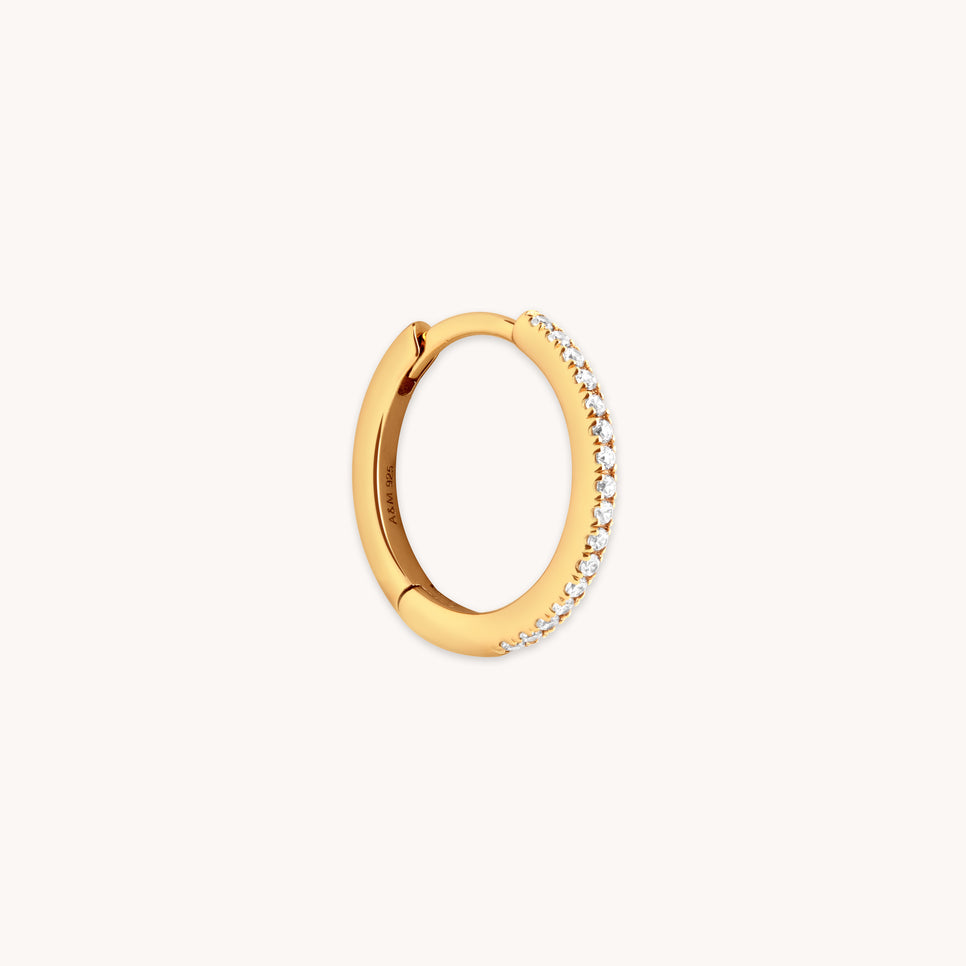
Jewelled Hoop in Gold
£45
18k Gold Plated
- Add Charms
- SOLD INDIVIDUALLY
- Pre-order
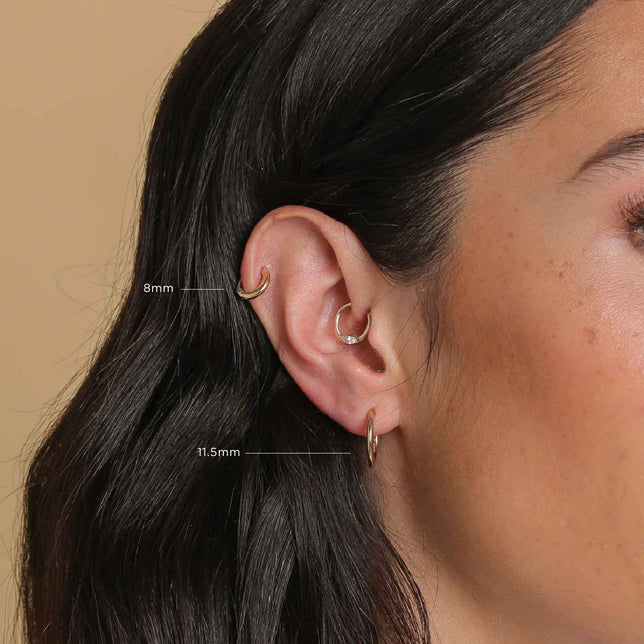
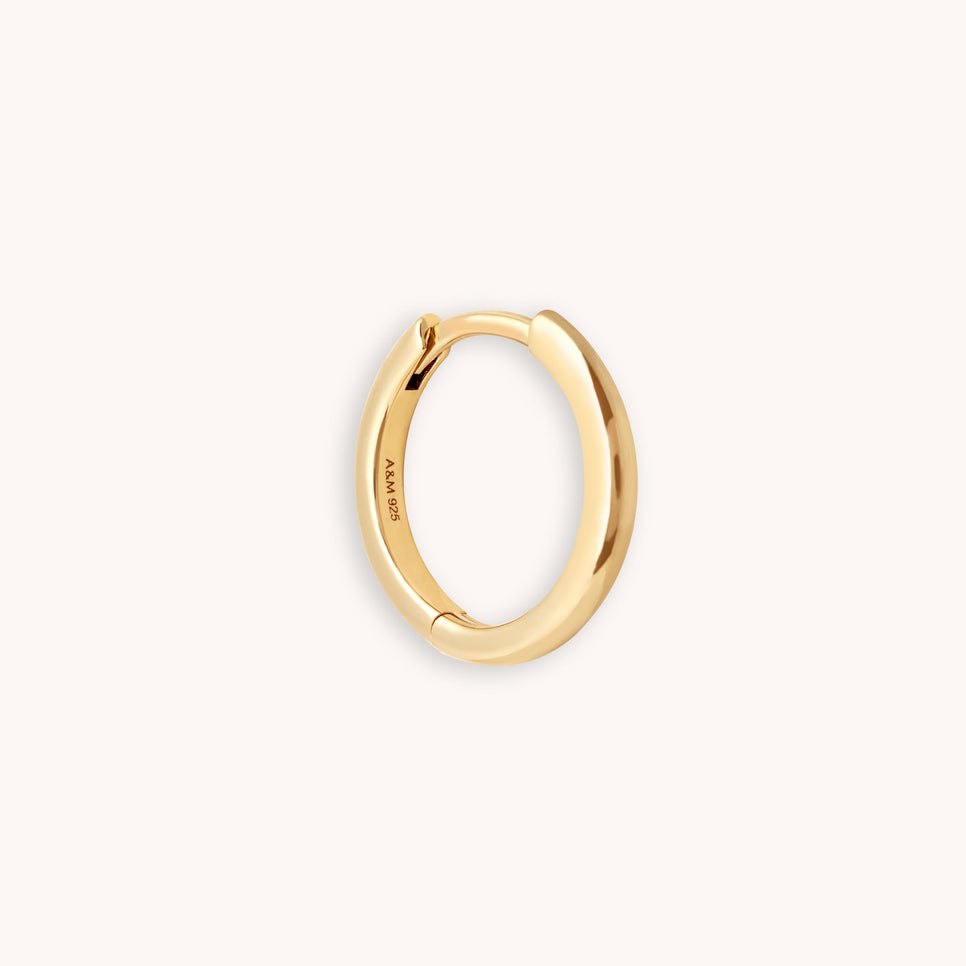
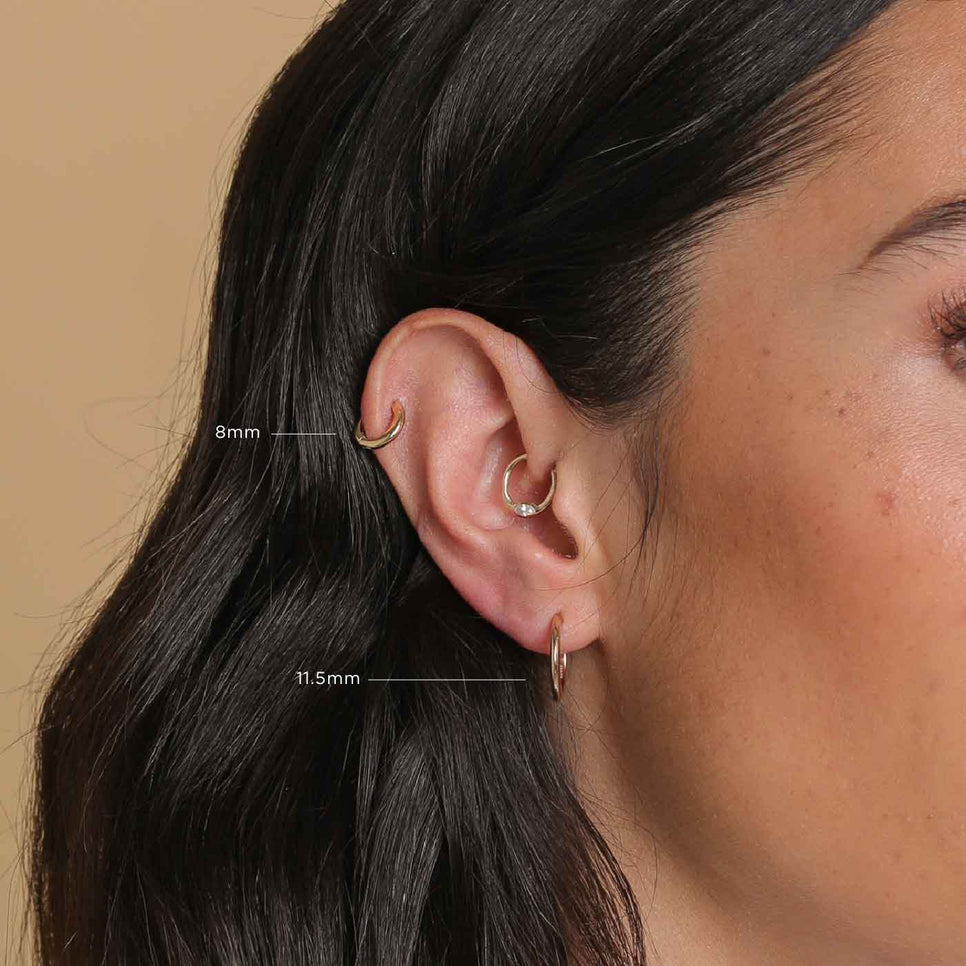
Essential 11.5mm Hoop in Gold
£60
18k Gold Plated
- SOLD INDIVIDUALLY
- Pre-order
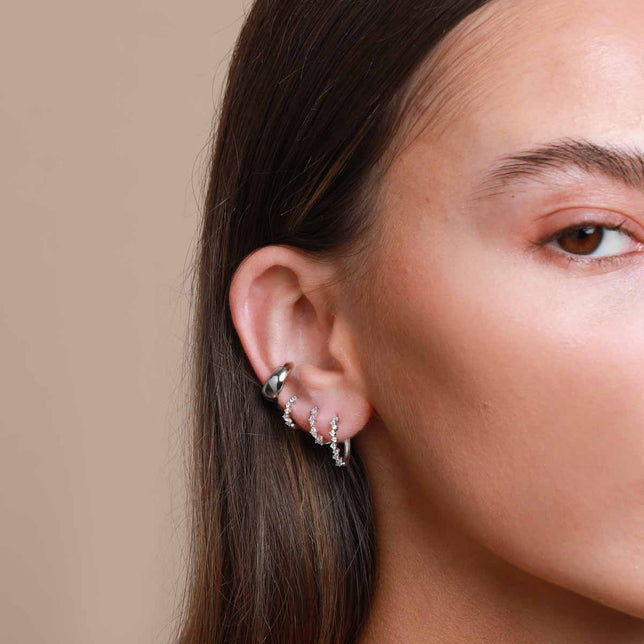
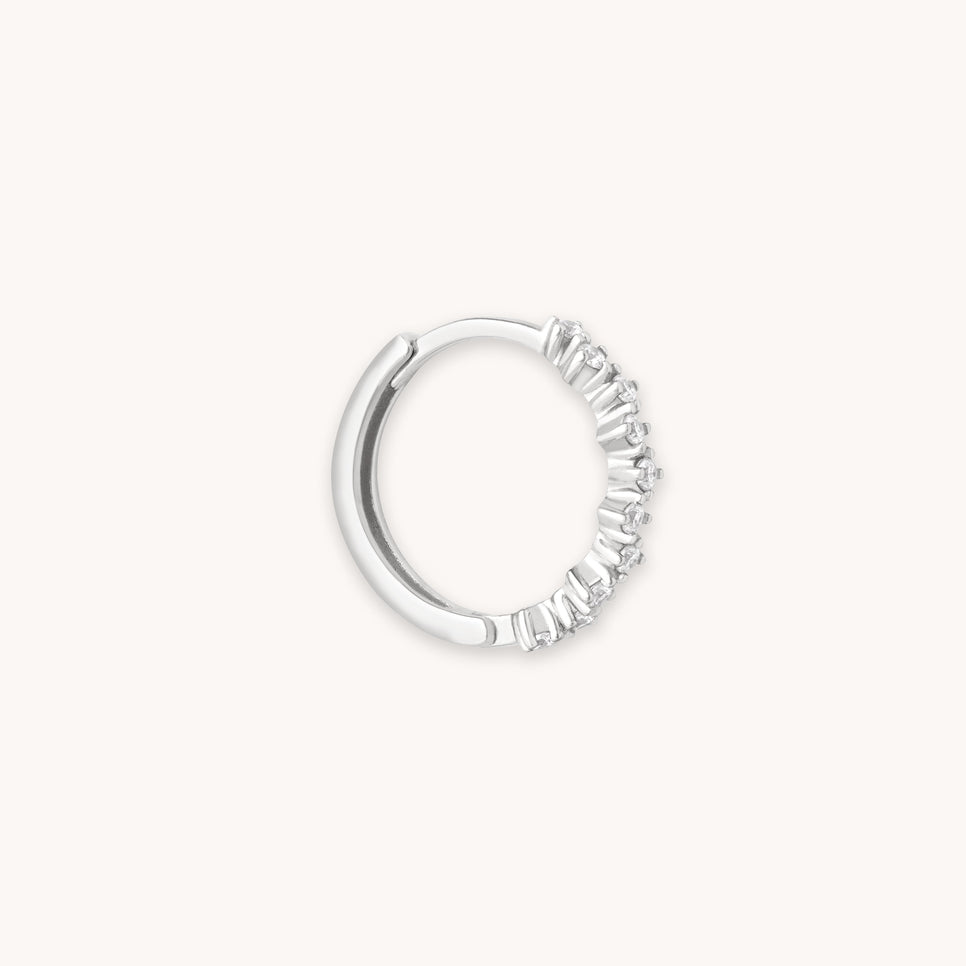
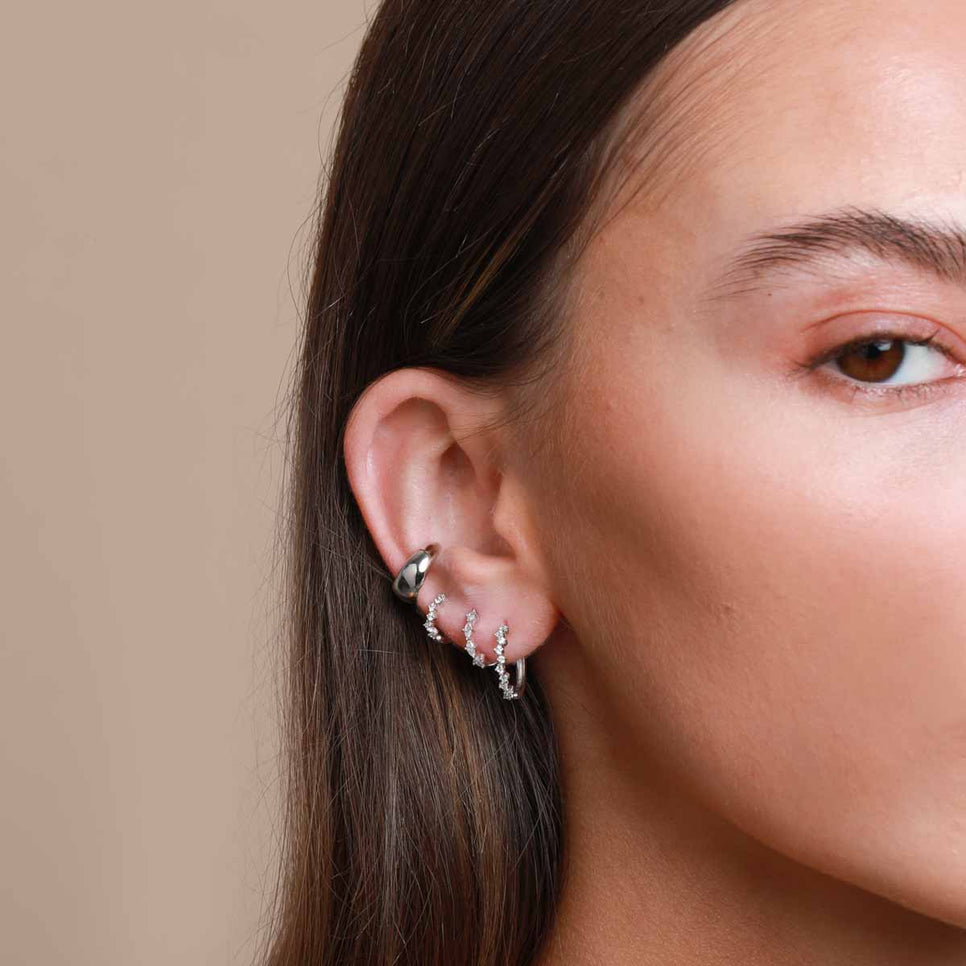
Cluster Hoop 11.5mm in Silver
£60
Rhodium Plated
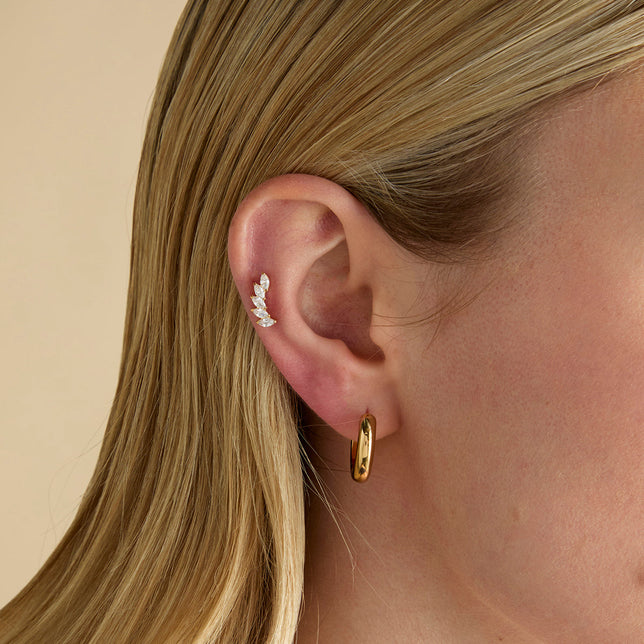
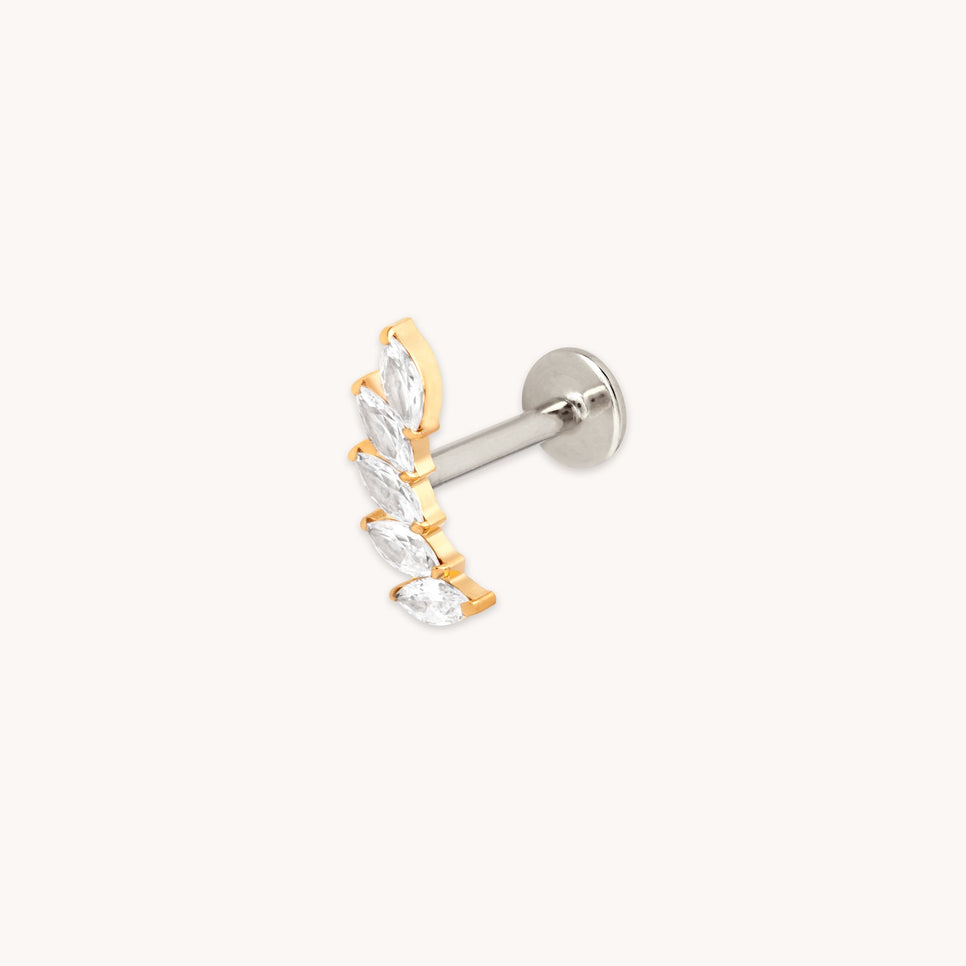
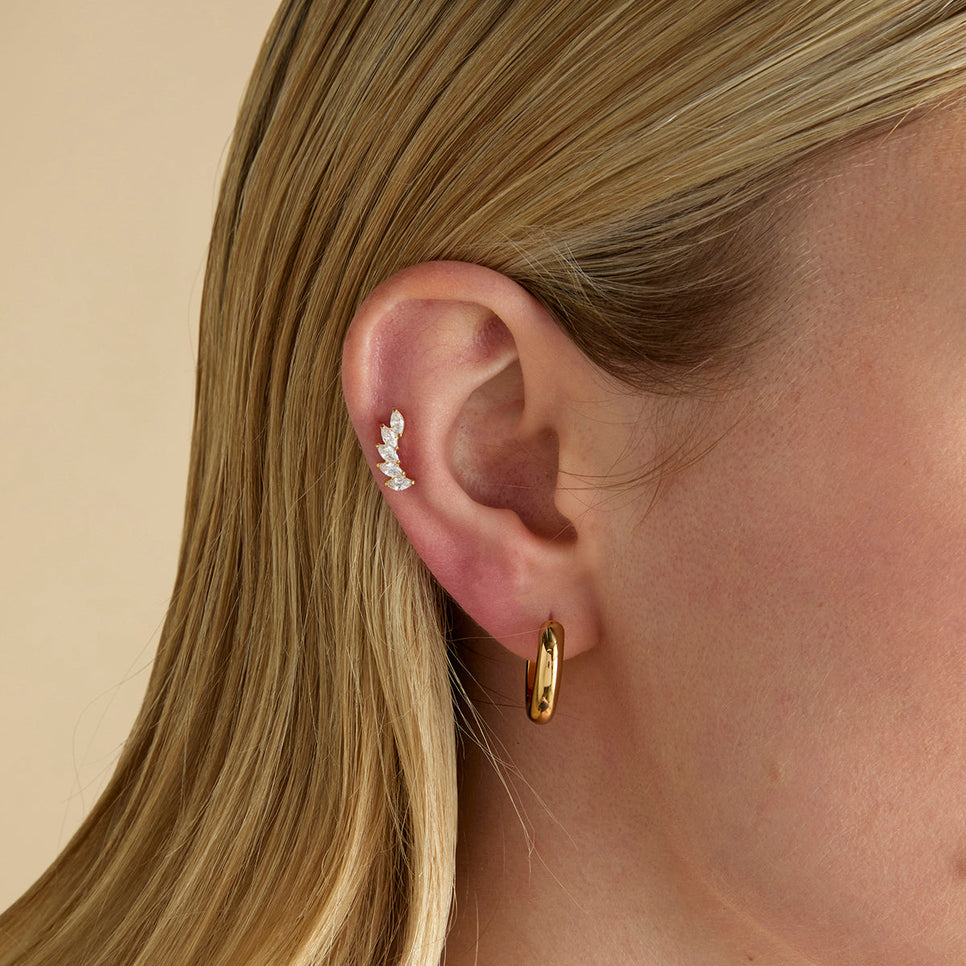
Curved Marquise Titanium Piercing Stud in Gold
£85
Titanium - Solid Gold PVD Coated Front
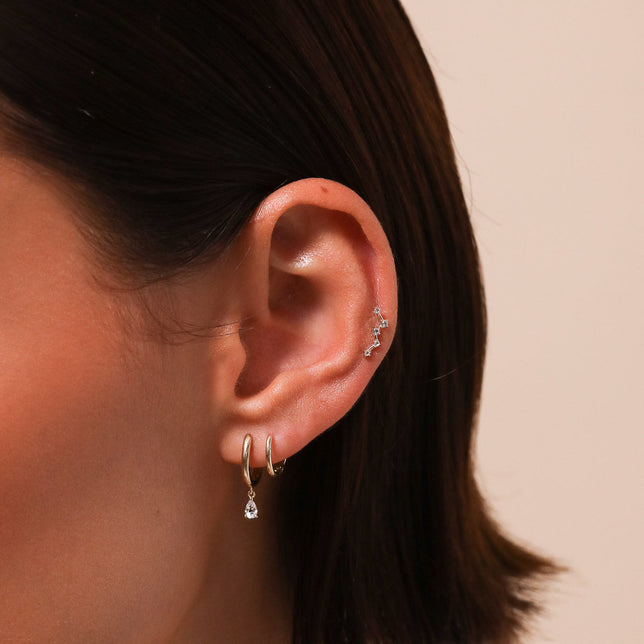
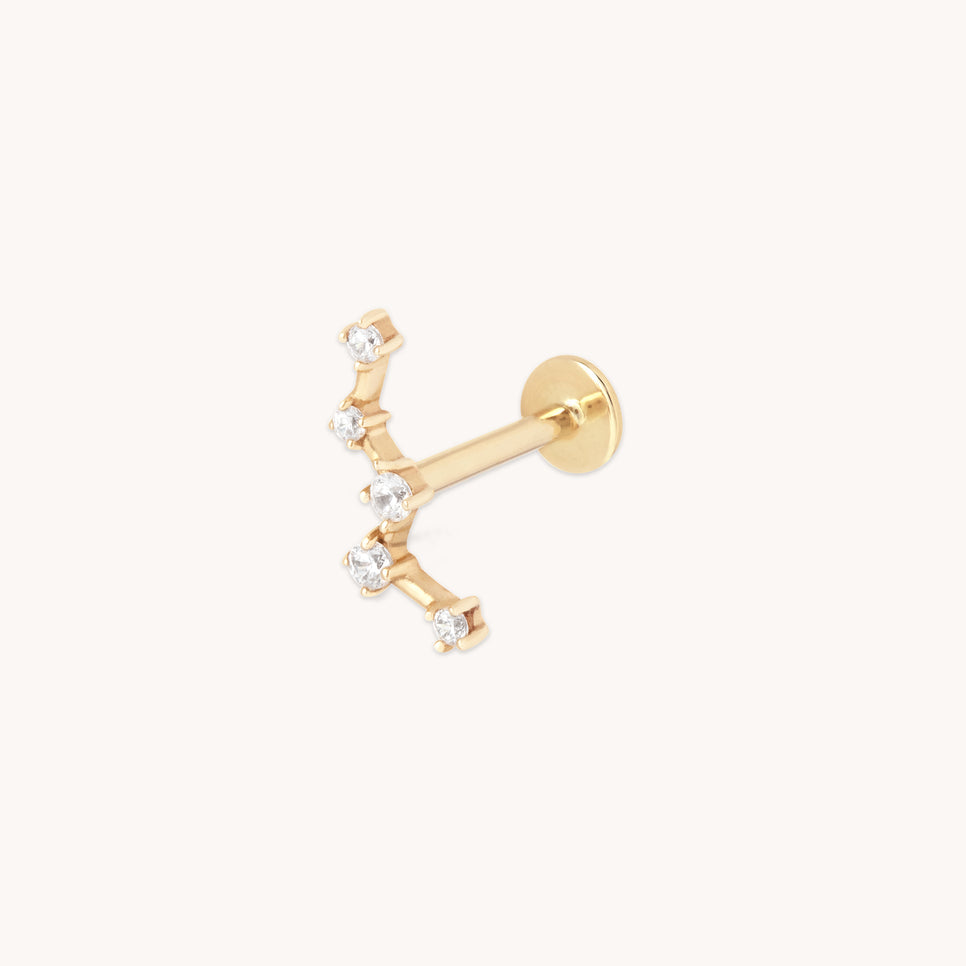
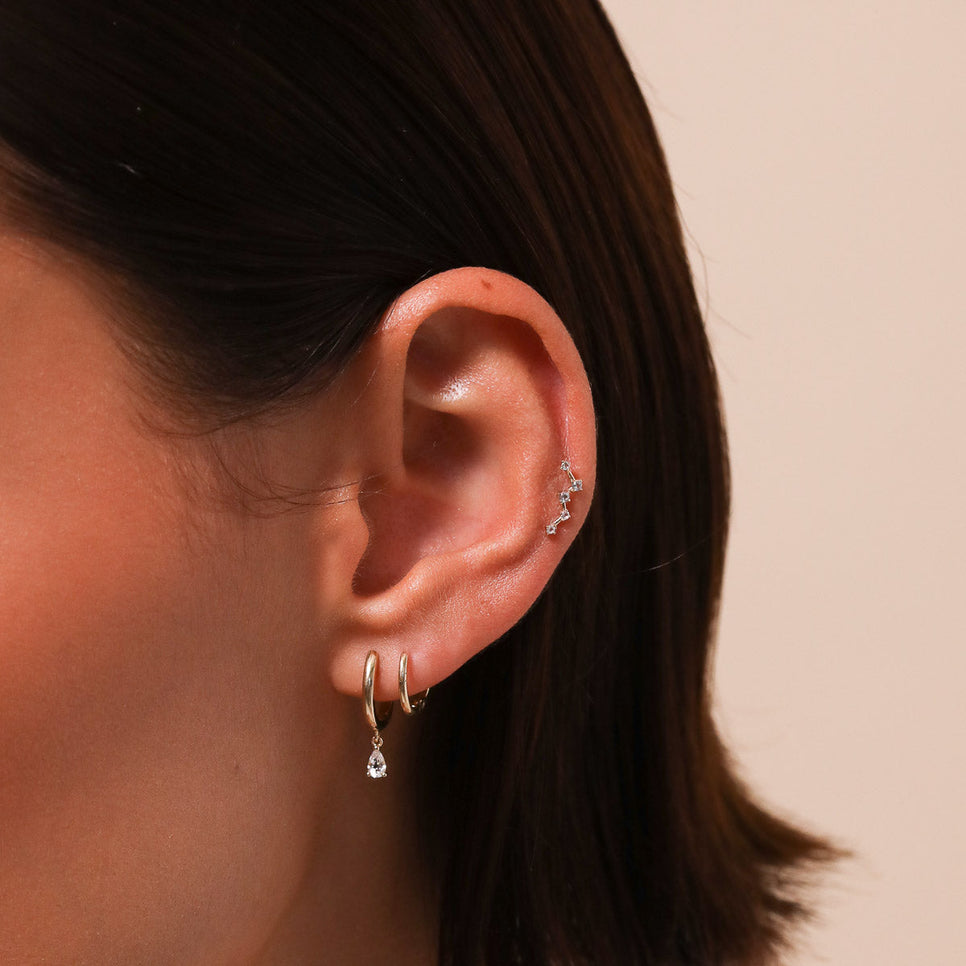
Constellation Piercing Stud in Solid Gold
£235
14k Recycled Gold
- Back In Stock
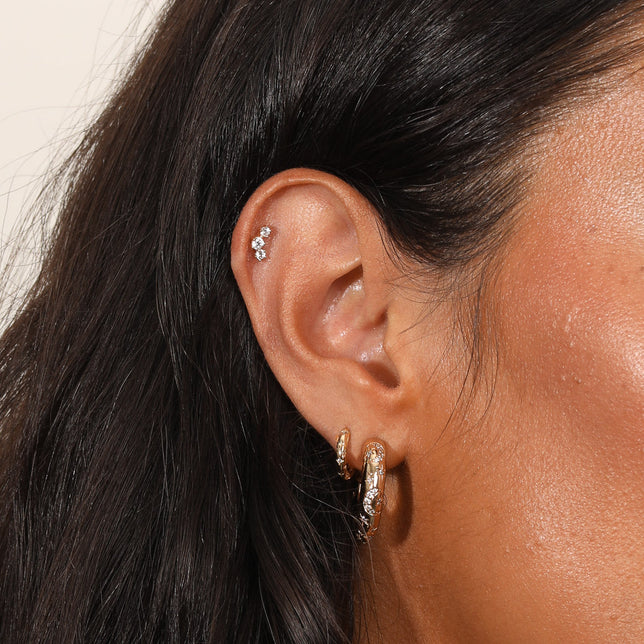
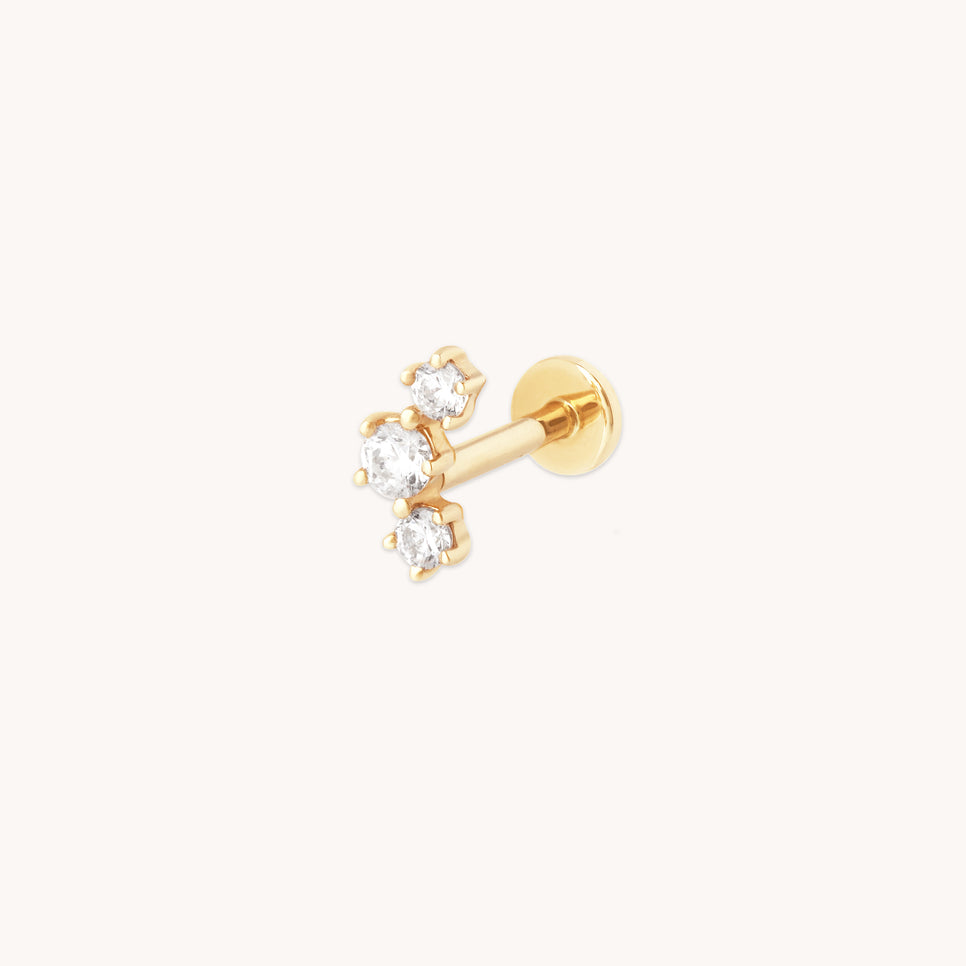
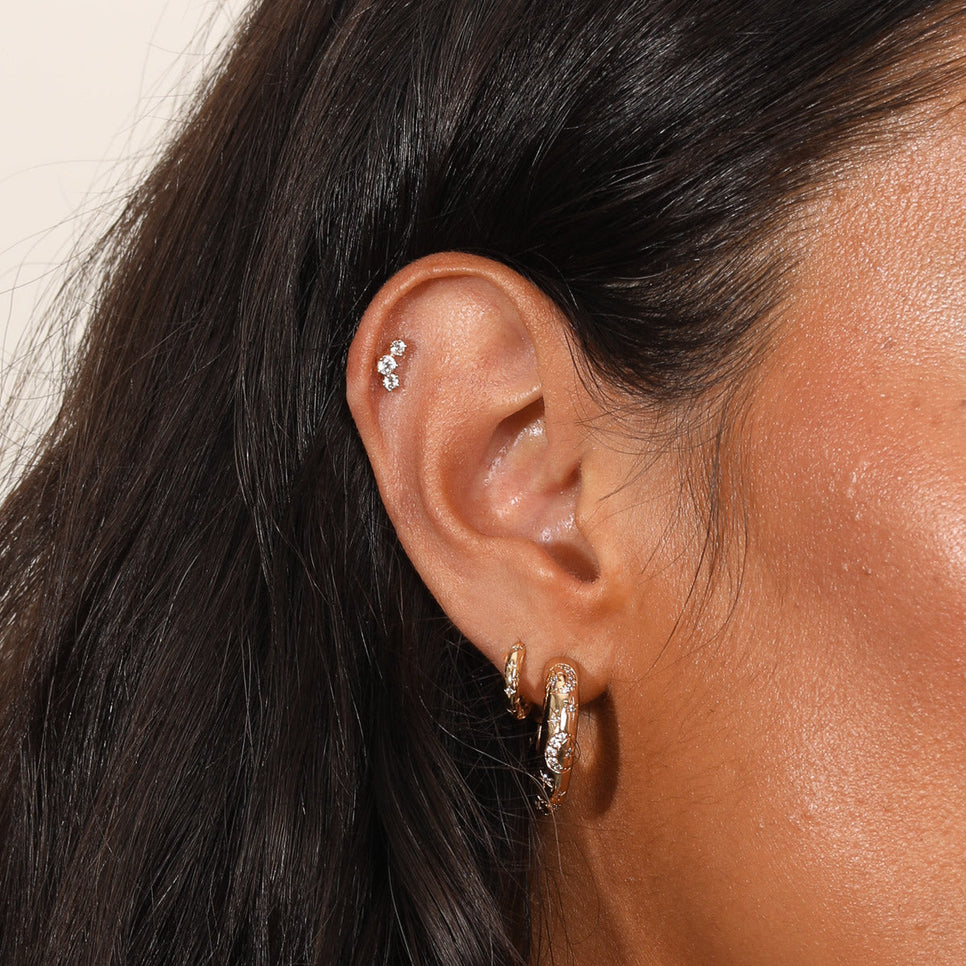
Curved Crystal Piercing Stud in Solid Gold
£220
14k Recycled Gold
More from A&M
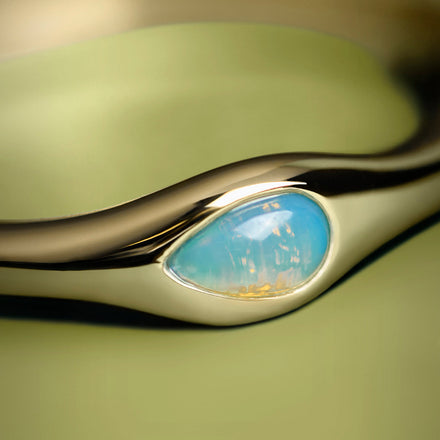
An Ode to Opal Jewellery
Attract positivity, love and luck into your life with Opal, our bestselling gemstone and October’s birthstone.
Everything You Need To Know About: The Rook Piercing
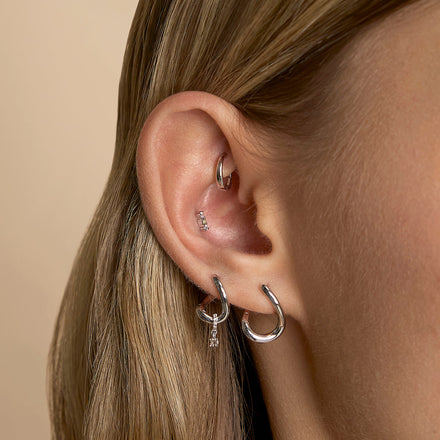
Ready to bring some extra dimension to your ear game? It’s time to meet the Rook Piercing. The latest upper-ear placement captivating our piercers.
Fine Line Tattoo Inspiration
Thinking about a new tattoo but not sure where to start? At A&M, we offer a range of dainty designs to be treasured forever, and relaxed studio spaces where you’ll feel right at home.
The Diamond Edit
Radiant, aspirational, and timeless, Diamonds have long earned their spot as one of the world’s most iconic gemstones. Discover our collection of Lab-Grown Diamonds.